
GoldStar vs. Adventure Class: Choose the Alaska Train Upgrade Wisely
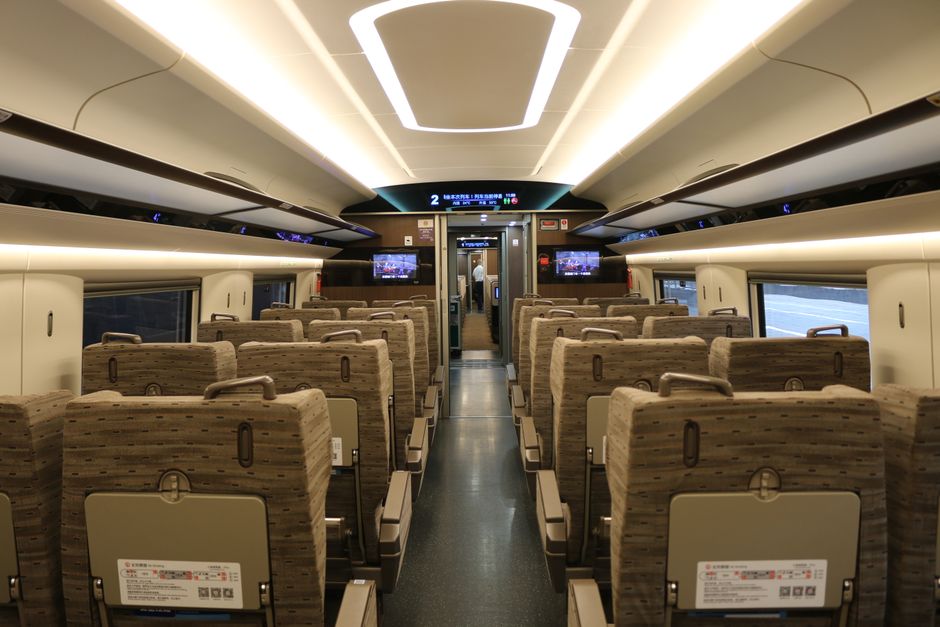
Choose Adventure Class if keeping more money for Seward, Denali, or an excursion matters most: it has confirmed forward-facing seats, large windows, shared Vista Dome access on these routes, and the same baggage allowance. Choose GoldStar if a guaranteed glass-dome seat, included meals and drinks, an outdoor viewing platform, and a more settled onboard experience justify paying $144 more to Seward or $188 more to Denali per adult in 2026.
Is GoldStar service worth the extra money on the Alaska Railroad?
GoldStar is worth the extra money when certainty and onboard comfort are the point of the trip; it is not automatically the best value for a budget-conscious itinerary. The upgrade changes the rhythm of the day. GoldStar passengers receive a reserved seat in a bi-level railcar with a glass-dome ceiling, an upper-level outdoor viewing platform, a private bar, narration from an Alaska tour guide, and included dining.
According to the Alaska Railroad's 2026 summer brochure, a one-way adult ticket from Anchorage to Seward costs $133 in Adventure Class and $277 in GoldStar. That is a $144 difference per person. Anchorage to Denali is listed at $205 in Adventure Class and $393 in GoldStar, a $188 difference. For the full Anchorage-to-Fairbanks trip, the difference rises to $259 per adult.
That gap is not a small booking fee. It is a choice about where the trip's value lives. On the Coastal Classic, Adventure Class leaves more of the transportation budget available once you arrive in Seward, the gateway community for Kenai Fjords National Park. The National Park Service notes that boat tours provide access to the park's fjords, tidewater glaciers, and marine wildlife, while Exit Glacier is the only area accessible by car. For many travelers, that makes the less expensive train class a sensible foundation rather than a compromise.
The Denali Star presents a different calculation. The northbound published schedule runs from Anchorage at 8:20 a.m. to Denali at 3:40 p.m., compared with the Coastal Classic's 6:45 a.m. to 11:20 a.m. Anchorage-Seward timing. A longer train day gives included food and a guaranteed dome seat more practical weight. Still, a budget is a tool, not a test of devotion. The same ownership-cost mindset used for major discretionary purchases applies here: pay more only for the benefit you will actually use.
What is the difference between GoldStar and Adventure Class?
The central difference is guaranteed premium space and included hospitality versus flexible, lower-cost transportation with shared scenic access. Both classes offer comfortable, forward-facing semi-reclining seats and large picture windows, according to the Alaska Railroad's travel notes. Neither class leaves you staring at a blank wall. The view is already part of the ride.
| Option | Who it suits | Published 2026 Anchorage-Seward adult cost | Published 2026 Anchorage-Denali adult cost | Key limitation |
|---|---|---|---|---|
| Adventure Class | Budget travelers who want a confirmed seat, picture windows, and the flexibility to use shared Vista Dome seating | $133 one way | $205 one way | Food and drinks from the Wilderness Cafe cost extra; Vista Dome seating is unassigned |
| GoldStar | Travelers who value guaranteed dome seating, included dining, drinks, and an outdoor viewing platform | $277 one way | $393 one way | Higher fare; offered only on the Coastal Classic and Denali Star |
GoldStar fares include full-service dining, all soft drinks, and two complimentary adult beverages per trip for passengers age 21 or older. The 2026 brochure specifies breakfast on the Coastal Classic; on the Denali Star, meal inclusion follows trip timing. Adventure Class travelers can buy food and beverages in the Wilderness Cafe instead. This is the cleanest distinction: GoldStar wraps more of the day into one fare, while Adventure Class lets you decide how much to spend after boarding.
For families, the calculation is multiplied by every ticket. For photographers, it is more personal: GoldStar guarantees the dome seat and supplies the outdoor platform, while Adventure Class can be entirely adequate for someone prepared to move through the train and wait for unassigned dome seating. For cruise passengers connecting to Seward, schedule certainty and luggage rules may matter more than a premium railcar. Both classes allow each passenger to check two bags of up to 50 pounds and carry one additional item onboard.
Can Adventure Class passengers use a dome car?
Yes, Adventure Class passengers can use open, unassigned Vista Dome seating on the Coastal Classic and Denali Star during summer, but they cannot use the upper level of GoldStar cars. This is the fact that keeps Adventure Class genuinely competitive for view-focused travelers. You are not excluded from elevated scenery; you simply do not receive a reserved place in it.
The Alaska Railroad says Adventure Class guests are encouraged to move between Adventure Class railcars and use the open seating in Vista Dome cars. The practical implication is simple: enjoy your assigned picture-window seat, then use the dome when space is available. That said, shared seating requires flexibility. A traveler who wants to settle in one place for the entire ride may find GoldStar's guaranteed dome arrangement more restful.
Do not confuse access with equivalence. GoldStar's glass-dome railcars also have the upper-level outdoor viewing platform, a private bar, included dining, and tour-guide narration. Adventure Class does not include those GoldStar-only elements. Yet its value is real, especially on the Coastal Classic, which runs from Anchorage through Girdwood and along Turnagain Arm before heading into backcountry wilderness toward Seward. The Alaska Railroad's Coastal Classic page describes the route after Girdwood as leaving the road system for backcountry wilderness, a reason window access itself carries substantial value.
For Denali-bound travelers, the destination also deserves a place in the decision. The National Park Service says the railroad passes directly through Denali's entrance and the depot is a five-minute walk from the visitor center. Since private vehicles are restricted beyond mile 15 of Denali Park Road in summer, transportation farther into the park typically involves transit or tour buses. Keeping the rail fare lower can therefore preserve flexibility for the broader Denali plan.
The quiet conclusion: choose GoldStar for a deliberately premium train day, particularly on the longer Anchorage-Denali run. Choose Adventure Class when the train is one excellent part of the journey and you want the remaining budget to keep working after arrival. Either choice can deliver scenery; only one needs to deliver every onboard extra.
Frequently Asked Questions
Does GoldStar include food and drinks?
Yes. GoldStar tickets include meals, all soft beverages, and two complimentary adult beverages per trip for passengers age 21 or older. The 2026 schedule brochure lists breakfast on the Coastal Classic and meals on the Denali Star according to the timing of the trip.
Which Alaska Railroad route is most worth upgrading for?
The Anchorage-Denali Denali Star is the stronger case for GoldStar because the published northbound itinerary runs from 8:20 a.m. to 3:40 p.m., making it a longer onboard day than the Coastal Classic's 6:45 a.m. to 11:20 a.m. schedule. That said, the $188 per-adult upgrade difference is still best spent on GoldStar only if guaranteed dome seating and included dining matter more than keeping those funds for the destination.
Do I need GoldStar for good views on the train?
No. Both classes have forward-facing semi-reclining seats and large picture windows, and Adventure Class passengers can use unassigned Vista Dome seating on the Coastal Classic and Denali Star. GoldStar is the choice for guaranteed dome seating and access to its upper-level outdoor viewing platform, not the only way to see the route well.
Sources
- Alaska Railroad - GoldStar Service
- Alaska Railroad - Adventure Class
- Alaska Railroad - Helpful Notes When Traveling on Trains
- Alaska Railroad - 2026 Summer Schedules, Fares and Packages
- National Park Service - Directions and Transportation, Denali National Park and Preserve
- National Park Service - Directions, Kenai Fjords National Park
- Alaska Railroad - Coastal Classic Train