
How Often Should I Clean My House?
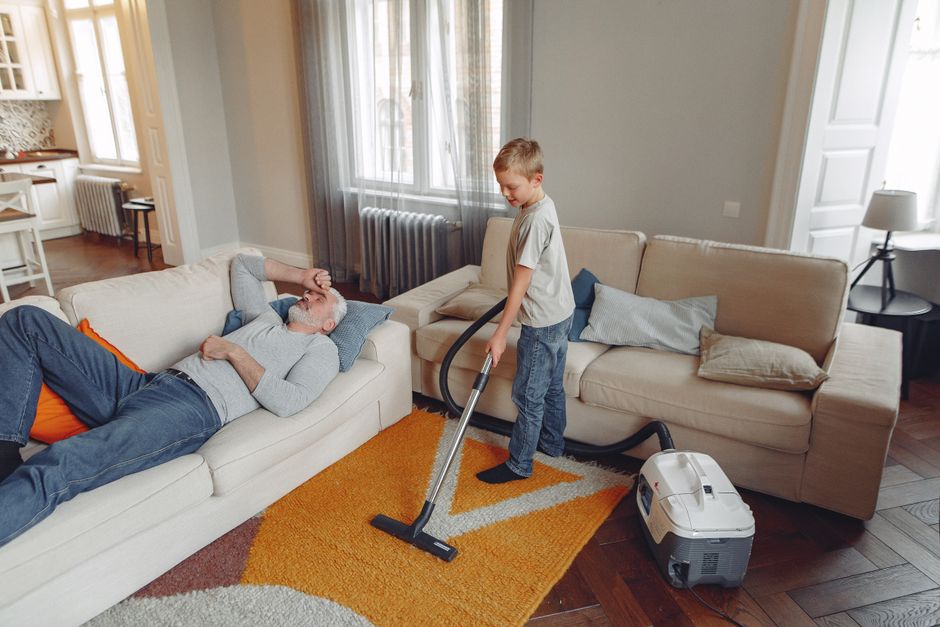
Clean high-touch and food-prep areas as they become dirty, keep core chores on a weekly rhythm, rotate appliance and bathroom checks every other month, and reserve seasonal sessions for neglected edges and storage areas. Increase that baseline for heavy traffic, pets, young children, allergies, frequent cooking, or illness. The useful schedule is not the strictest one; it is the one that targets the dirt, moisture, crumbs, and dust your household actually creates.
Cleaning does not need to consume every weekend. The truth is that a good schedule separates maintenance from restoration: stop fresh messes from becoming baked-on work, then rotate the jobs nobody notices until they become a problem. That distinction saves time and directs effort where the home needs it most.
How often should I deep clean my house?
Deep clean your house seasonally by rotating neglected zones, while moving specific appliance and moisture checks to every other month. This is a planning framework, not a claim that every room needs an identical calendar: a low-traffic home needs less repetition than a home with pets, children, frequent guests, or lots of cooking.
Put the refrigerator, oven, microwave, and range-hood filters on an every-other-month rotation. The University of Minnesota Extension assigns those tasks that cadence and also recommends checking bathrooms for mold every other month. Use seasonal sessions for baseboards, under-furniture areas, closet floors, vents you can safely access, and the corners that routine cleaning skips.
Here is the practical rule: deep cleaning is not a heroic Saturday project. Divide it into four seasonal zones and complete one zone per session. Kitchen details in one session, bathrooms and moisture-prone areas in the next, bedrooms and textiles after that, then entryways, storage, and overlooked edges. That prevents the familiar mistake of spending all available energy on visible rooms while the hidden buildup keeps waiting.
For allergy- or asthma-sensitive households, do not wait for a seasonal reset to manage dust. The U.S. Environmental Protection Agency recommends vacuuming carpets and furniture every week or more often, dusting often with a damp cloth, and washing bedding in hot water once a week. Keep relative humidity below 60%, ideally between 30% and 50%, to limit conditions favorable to mold, dust mites, and cockroaches.
What is the difference between routine cleaning and deep cleaning?
Routine cleaning removes the mess your home is making now; deep cleaning reaches buildup and overlooked areas that routine passes do not touch. According to the Centers for Disease Control and Prevention, cleaning removes most germs, dirt, and impurities through water, soap, and scrubbing, while disinfecting kills most germs left on surfaces after cleaning.
Do not treat disinfecting as the default upgrade. CDC states that in most homes, routine cleaning is sufficient, and disinfecting is generally unnecessary unless someone is sick or at higher risk of becoming sick. When disinfectant is needed, clean first and keep the product wet for the full label-specified contact time. Spraying and immediately wiping is a waste of product.
Routine work includes clearing dishes, wiping food spills, cleaning sinks and counters, and handling visible dirt. Deep work includes cleaning appliance interiors, range-hood filters, refrigerator compartments, the edges under furniture, and other areas that gather soil slowly. The payoff is not a showroom appearance; it is avoiding the expensive-in-time moment when a small mess becomes a stubborn one.
Which household tasks should be done weekly, monthly, and seasonally?
Do daily work to control fresh food and moisture, weekly work to manage traffic and dust, every-other-month work to maintain appliances and bathrooms, and seasonal work to reset neglected zones. Use the table as a baseline, then increase frequency where your household produces more crumbs, moisture, hair, tracked-in dirt, or dust.
| Frequency | Tasks | Who should increase it? |
|---|---|---|
| Daily or after use | Dishes, food spills, sink, counters, garbage, stovetop; wash blender parts and can openers after use | Frequent cooks and households with young children |
| Weekly | Vacuum carpets, clean bathrooms, mop hard floors, change bedding; clean high-touch surfaces when needed | Pet owners, high-traffic homes, allergy-sensitive households |
| Every other month | Refrigerator, oven, microwave, range-hood filters, and bathroom mold check | Heavy cooks and damp bathrooms |
| Seasonally | Rotate baseboards, under-furniture areas, closets, storage zones, and rarely handled edges | Everyone, with one zone per session |
Start the kitchen before chasing a full-house reset. The University of Minnesota Extension lists dishes, food spills, the sink, and counters as daily kitchen maintenance, and recommends cleaning the stovetop after each use to prevent baked-on soil. It also identifies daily garbage removal and not leaving dirty dishes overnight as pest-prevention measures.
Pay attention to the small wet tools. The University of Minnesota Extension's food-safety guidance says sponges can support Salmonella and E. coli because they dry slowly; research cited there found microorganisms can reach unsafe levels within three days. Sanitize sponges daily, let them air-dry with circulation, replace them every one to two weeks or sooner when worn, and change dishcloths and kitchen hand towels daily or when heavily soiled.
Monthly refrigerator attention is especially sensible for food storage. In its 2013 Germ Study, NSF reported finding Salmonella, Listeria, yeast, and mold in refrigerator vegetable compartments and recommends cleaning them monthly; clean meat compartments monthly and whenever meat juices spill. Those are targeted jobs, not a reason to dismantle the entire kitchen every Sunday.
A faster cleaning order
Use this order when time is tight: declutter surfaces first, apply cleaner and let the product work according to its directions, clean from higher surfaces down, then finish with floors. Begin with the kitchen, then the bathroom, then the highest-traffic path through the home. Floors come last because gravity and foot traffic make any other order backwards.
Open the range hood while cooking and leave it running for 10 to 20 minutes afterward, as EPA recommends. EPA identifies cooking, cleaning activities, animals, pests, plants, and mold as indoor particulate-matter sources, so this one routine serves the cooking-heavy household better than endlessly wiping already-clean decor.
Frequently Asked Questions
How should a cleaning schedule change if I have pets or young children?
Move floor care, soft-furnishing vacuuming, and high-touch cleaning higher on the schedule. EPA says children have greater exposure to indoor dust because they play close to floors and put hands and toys in their mouths, and it recommends weekly or more frequent vacuuming of carpets and furniture for allergy- or asthma-sensitive households. Clean more often when dirt is visible, after visitors, and in busy areas where paws, shoes, toys, and snacks collect.
Do I need to clean my whole house every weekend?
No. A whole-house weekend reset is an inefficient default when the home has a workable daily and weekly baseline. Focus weekly time on bathrooms, floors, vacuuming, and frequently touched or visibly dirty surfaces; rotate lower-impact jobs such as appliance interiors, filters, and overlooked storage areas through the month and seasons.
What should I prioritize when I only have an hour to clean?
Start in the kitchen: clear dishes, clean the sink and counters, deal with spills, and change or sanitize the sponge. Then clean the bathroom's frequently touched surfaces and make one fast pass through the highest-traffic floors. NSF found coliform bacteria on more than 75% of dish sponges or rags in its 2011 household study, so ignoring the damp cleaning tool while wiping everything else is backward.
Set the next cleaning block before you put supplies away: choose one every-other-month appliance task or one seasonal zone. A schedule that assigns the next job beats a vague promise to deep clean later.
Sources
- U.S. Environmental Protection Agency: Sources of Indoor Particulate Matter
- Centers for Disease Control and Prevention: When and How to Clean and Disinfect Your Home
- University of Minnesota Extension: Cleaning a Healthy Home
- University of Minnesota Extension: Cooking at Home Food-Safety Guidance
- NSF: Clean the Germiest Kitchen Items