
What Should I Wear to a Wedding as a Guest?
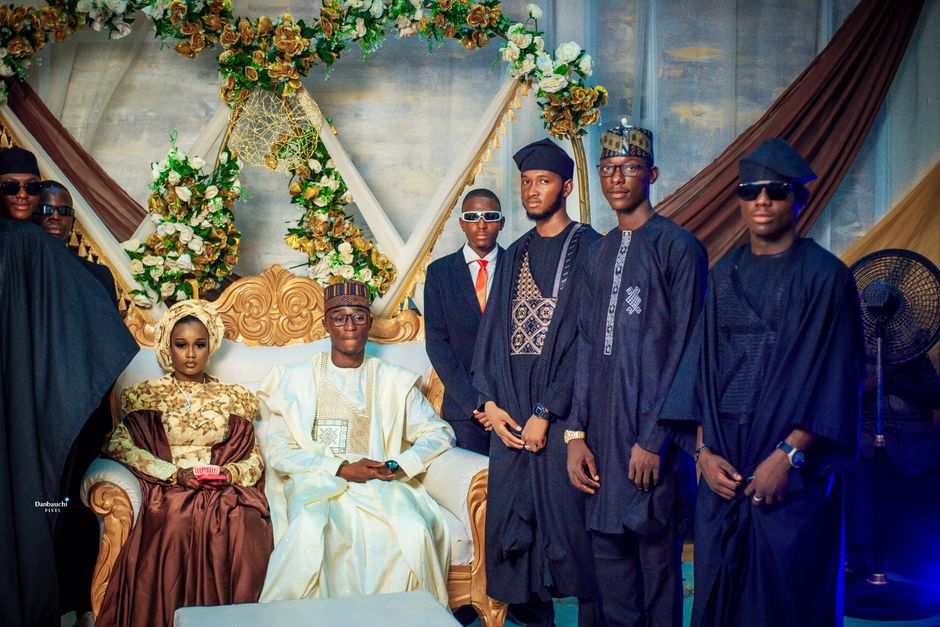
Start with the invitation and ceremony time, then use the venue, season, and any religious or cultural requirements to settle on an outfit. When no dress code appears, choose polished semi-formal clothing rather than denim or anything bridal-looking: a dress, tailored jumpsuit, or suit is a reliable baseline. The goal is to look intentional, comfortable, and clearly secondary to the couple.
The common worry is that wedding dressing requires buying a completely new look. It does not. The truth is that the right outfit is usually a matter of reading the signals accurately, then styling what you already own with appropriate shoes, layers, and accessories. An outfit that fits the setting beats an attention-grabbing one every time.
What should I wear to a wedding if the invitation does not list a dress code?
When the invitation does not list a dress code, wear a polished semi-formal outfit guided by the wedding time, venue, and the couple's cultural or religious context. The Emily Post Institute calls the invitation and wedding time the best guide to formality, with local custom and ceremony requirements adding important context.
Read the invitation design and location as practical clues, not as a scavenger hunt. Brides notes that a Ritz-Carlton setting calls for a more formal direction, while a barn or backyard can signal a less formal event. That does not turn a relaxed venue into a denim pass. Brides says denim is generally inappropriate unless the invitation specifically requests jeans for a themed wedding.
Here is how to make the decision without spiraling:
- Start with the time. Daytime points toward a cocktail or dressy afternoon dress, or a dark suit with a conservative shirt and tie, according to Emily Post. Evening calls for a long evening dress or dressy cocktail dress, with a tuxedo required if the invitation says black tie.
- Use the venue to set the polish level. A backyard event can support less elaborate clothing, but the clothing should remain tailored and wedding-ready. A hotel, formal restaurant, or traditional venue asks for sharper tailoring and more refined accessories.
- Check the ceremony requirements. Religious and cultural expectations are not optional styling details. Follow any guidance from the couple, and select coverage or accessories that respect the service.
Do not let a vague invitation push you toward a costume-level outfit or an ultra-casual one. A repeat outfit is a smart choice when it fits well and matches the event. Change the shoes, bag, jewelry, tie, or outer layer if you want it to feel fresh; the point is to attend well, not to stage a personal fashion launch.
What is the difference between cocktail, semi-formal, and formal wedding attire?
Cocktail is polished and celebratory, semi-formal sits above office wear but below formalwear, and formal or black-tie events demand the dressiest options. The Emily Post dress-code guide advises guests to lean more formal for events after 6 p.m., which is a useful tie-breaker when an invitation uses broad language.
| Dress code | Appropriate outfit directions | What to avoid |
|---|---|---|
| Cocktail | Knee-length, tea-length, or midi dress; tailored jumpsuit with formal shoes; suit and tie. | Jeans, miniskirts, and casual sandals. |
| Semi-formal | Short afternoon or cocktail dress, long dressy skirt and top, dressy separates, dark business suit, dress shirt, tie, and leather shoes. | Office-basic clothing that has not been elevated for the occasion. |
| Formal or black tie | Floor-length gown, dressy cocktail dress, dressy separates, or a little black dress; black tuxedo with bow tie for black tie. | Business attire posing as eveningwear. |
| Black-tie optional | Formal gown, cocktail dress, little black dress, dressy separates; tuxedo or dark suit with white shirt and conservative tie. | Assuming “optional” means casual. |
For cocktail attire, Brides centers the look on an elegant knee-length, tea-length, or midi dress, while also naming a tailored jumpsuit as an option. Darker colors suit evening or cooler months; lighter hues suit daytime. The important distinction is finish: formal shoes and deliberate tailoring keep the outfit from looking like everyday clothing.
Formal does not mean every guest needs the same silhouette. A black-tie invitation gives clear direction: Emily Post lists a floor-length evening gown, dressy cocktail dress, or dressiest little black dress, alongside a black tuxedo, formal white shirt, black bow tie, and black patent shoes. Black-tie optional gives guests formal choices, not permission to underdress. Pick the dressier end if the setting or timing sends mixed signals.
Can I wear black to a wedding as a guest?
Yes, black is generally acceptable for wedding guests, especially at formal events and in colder seasons, provided the couple has not requested another palette and local or cultural traditions do not point elsewhere. Brides describes black as acceptable and often encouraged for formal weddings, and reports that a black suit works in every season.
But color is only one part of the decision. Check whether the wedding party is wearing black, whether the couple has shared a requested color palette, and whether the venue or traditions call for another direction. Keep the cut and styling restrained: Brides specifically warns against extremely low-cut, very tight, or excessively short black outfits that pull focus away from the couple.
White and ivory remain the clearer danger zone. The New York Times reported guest guidance reserving white and ivory for the couple. Skip white-adjacent looks, heavily bridal details, and outfits that could be mistaken for wedding-party attire in photos. This is not restrictive; it removes the easiest etiquette mistake before it happens.
Frequently Asked Questions
Is it okay to wear pants or a jumpsuit to a wedding?
Yes. Emily Post includes dressy pantsuits among suitable choices for semiformal events, and Brides includes tailored jumpsuits in cocktail-attire options. Choose formal shoes and refined fabric so the outfit reads as wedding attire rather than workwear.
How do I choose shoes for an outdoor wedding?
Match the shoe to the formality first, then make it workable for the setting. Brides identifies polished dressy flats and heels as cocktail-attire options; for grass, sand, or uneven ground, choose a stable dressy flat or a heel shape that will not sink.
What colors should wedding guests avoid besides white?
Avoid ivory and other white-adjacent shades that can read as bridal in photographs, especially when the couple has not given clear approval. Also follow any requested palette and account for cultural traditions, venue, and the wedding party's attire.
Final Outfit Check
Before leaving, run a blunt three-part check: does the outfit match the invitation and time, can you move through the venue comfortably, and does it leave the visual spotlight with the couple? If all three answers are yes, stop second-guessing it. Confirm the ceremony requirements, pack the weather-ready layer, and choose shoes that will carry you through the actual venue rather than only the mirror.