
Best Thing to Clean Shower Glass: Choose the Right Method
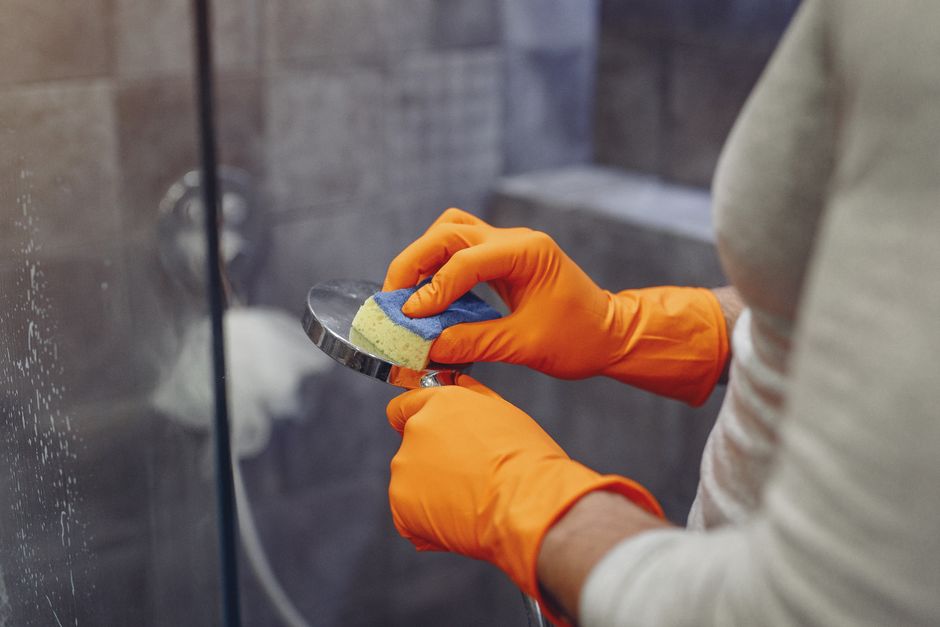
The best thing to clean shower glass depends on the buildup: use mild dish soap and a damp microfiber cloth for soap scum, then rinse and dry; use diluted white vinegar for mineral deposits if the glass care instructions allow it. For routine prevention, squeegee and dry the glass after each shower. Avoid abrasive tools, and check the guidance for coated glass and nearby stone.
What is the best thing to clean shower glass doors with?
Mild dish detergent and a damp microfiber cloth are the best starting point for everyday grime, oils, and soap scum. According to HMI Glass, mild dish detergent, including Dawn, removes soaps, oils, and conditioners. For soap scum and grime, FGD Glass also recommends a damp microfiber cloth with mild detergent or soap.
Choose a method based on the mark rather than reaching immediately for a stronger cleaner. Mild detergent is the gentler first pass; vinegar is an occasional option for mineral deposits that remain after detergent, while a suitable commercial cleaner may be appropriate when the specific glass-care instructions allow it.
| Option | Who it suits | Cost | Key limitation |
|---|---|---|---|
| Mild dish soap and damp microfiber | Soap scum, oils, and routine grime | Not published | May not remove hard-water deposits |
| White vinegar diluted 1 part vinegar to 5 parts water | Mineral deposits after mild detergent, where care instructions permit | Not published | Acid may harm some coatings or nearby calcareous stone |
| 50/50 vinegar and water | Hard-water spots on Guardian ShowerGuard glass, according to its specific guide | Not published | Guidance is specific to ShowerGuard and should not be generalized to other coatings |
| Commercial cleaner | Persistent buildup when the glass maker approves the product | Not published | Compatibility varies by coating; some cleaners can damage protective surfaces |
| Squeegee and towel or microfiber drying | Routine care to reduce mineral spots | Not published | Prevention does not remove existing etched damage |
For any cleaner, follow with a thorough rinse and dry the glass. The right method is the mildest compatible option that addresses the deposit.
How can I make shower glass look new again?
To refresh shower glass, first identify whether the cloudy appearance is soap scum, mineral residue, streaking, or possible surface damage. Wash with mild detergent and microfiber, rinse with clean warm water, then dry. FGD Glass recommends rinsing well after detergent and wiping the glass dry; HMI Glass recommends squeegeeing or towel-drying after each use to make mineral spots less likely to form.
If mineral spots remain, use vinegar only in line with the glass manufacturer's guidance. FGD Glass suggests occasional white vinegar diluted one part vinegar to five parts water for hard-water deposits that mild detergent does not remove. HMI Glass advises white vinegar and a soft sponge for resistant hard-water marks and notes that dilution reduces vinegar's effectiveness. These instructions differ, so the glass's own care guidance should decide the method.
Some deposits may not be removable residue. If spots persist despite a compatible cleaning routine, the glass may be etched; ordinary cleaning may not restore its appearance. The supplied sources do not provide a test for distinguishing etching from buildup, so avoid escalating to aggressive scrubbing. For nearby marble, limestone, or travertine, keep vinegar off the stone: the Natural Stone Institute warns acids can dull or etch calcareous stone, and says repairs may require professional refinishing or repolishing.
A practical streak-prevention checklist
- Use a clean, damp microfiber cloth so residue from previous cleaning is not spread back onto the glass.
- Use a modest amount of mild detergent; excess cleaner or soap can leave film and streaks.
- Rinse thoroughly with clean water after cleaning.
- Use a good-quality squeegee after each shower, working across the glass in steady passes.
- Dry remaining water with a clean towel or microfiber cloth.
- If the glass has an EnduroShield treatment, its care instructions recommend cleaning in the shade to help prevent streaking.
Consistent drying is a small routine with a clear purpose: it leaves less water on the glass to form spots as it dries.
Does Dawn and vinegar clean glass shower doors?
Dawn and vinegar can be part of a shower-glass cleaning routine, but the sources support them for different jobs rather than specifying a universal combined recipe. HMI Glass identifies mild dish detergent such as Dawn for soaps, oils, and conditioners, and recommends vinegar for hard-water marks that resist detergent. FGD Glass gives a one-to-five vinegar-to-water dilution for mineral deposits.
Use the detergent pass first, rinse, and assess the remaining spots. If they appear to be mineral deposits, use vinegar only if the glass-care instructions permit it, then rinse and dry. The sources do not establish a required Dawn-and-vinegar mixture or a universal dwell time, so do not assume that combining them works better than using each as directed.
Coatings matter. EnduroShield warns that highly acidic cleaners may damage its protective coating, while also discussing regular vinegar cleaning for hard-water buildup. Its guidance is specific to treated glass; follow the exact care instructions for your enclosure and patch-test in an inconspicuous area when compatibility is uncertain.
What should I avoid using on shower glass?
Avoid steel wool, abrasive pads, and rough, gritty, or abrasive cleaners, especially on coated glass. FGD Glass specifically advises against steel wool and abrasive tools, and warns that rough or highly acidic cleaners may damage glass coatings. HMI Glass also cautions against water-spot removers, toothpaste, very strong alkalis, and bleach-plus-sodium-hydroxide cleaners for its treated glass.
Do not assume that a cleaner recommended for one brand of treated glass is suitable for another. Guardian Glass provides a cleaner guide specifically for ShowerGuard: it identifies soap and water for soft-water spots, a 50/50 vinegar solution for hard-water spots, and a mild abrasive cleaner for high-silica spots vinegar does not remove. It also gives suggested intervals of every 15 showers in hard-water conditions and every 10 showers in high-silica conditions, while noting that conditions affect frequency. This guidance applies to ShowerGuard glass, not all shower enclosures.
Also protect surrounding finishes. Vinegar may be useful on some mineral deposits on glass, but it can dull or etch marble, limestone, and travertine. Keep acidic cleaners away from natural stone and use its own neutral-cleaner care guidance. If a product's compatibility is unclear, choose mild soap and water until the manufacturer guidance is available.
Frequently Asked Questions
What cleans shower glass without leaving streaks?
Use a damp microfiber cloth with a small amount of mild detergent, rinse thoroughly with clean water, and dry with a clean towel or squeegee. EnduroShield recommends cleaning treated glass in the shade to help prevent streaking. Excess soap or cleaner can leave a film, so use only what is needed.
Can baking soda remove hard-water spots without scratching the glass?
The provided care sources do not establish baking soda as a safe or effective shower-glass treatment. They warn that abrasive cleaners may damage glass coatings, so check the glass manufacturer's instructions before using it and avoid scrubbing with gritty materials.
Is vinegar safe for coated shower glass?
It depends on the coating and its care instructions. Some manufacturers recommend vinegar for mineral deposits, while others caution that highly acidic cleaners can damage protective coatings; check the specific product guidance and test a small, inconspicuous area first.
When should I use a commercial hard-water cleaner instead of a homemade mixture?
Consider a commercial product when mild detergent has not removed mineral deposits and the glass manufacturer's instructions specifically permit that cleaner. Cleaner guidance varies by coating, so do not assume a product approved for one treated glass is suitable for another. Rinse thoroughly after use.
Sources
Keep reading

How Often Should I Clean My House?
Build a cleaning schedule around daily messes, weekly maintenance, appliance checks, and seasonal deep-cleaning zones.

Do I Need Earplugs at Concerts, and Which Kind Should I Choose?
Choose concert earplugs that balance hearing protection, sound clarity, fit, and budget—with practical advice for foam, filtered, and custom options.

How Should a New Investor Choose Between a Target-Date Fund, a Total-Market Index Fund, and a Three-Fund Portfolio?
A practical guide to choosing a target-date fund, total-market index fund, or three-fund portfolio based on how much control you want.

What Size Coffee Table Fits My Sofa and Living Room?
Use sofa length, seat height, and walking clearances to choose a coffee table that fits without blocking the room.