
How Can I Increase Fiber Without Gas and Bloating?
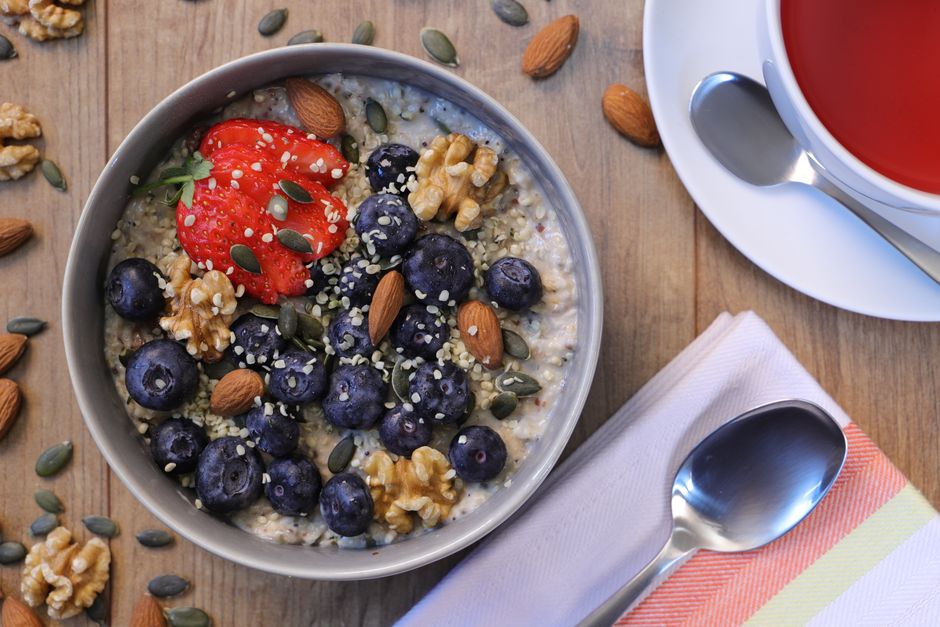
Increase fiber slowly rather than changing your whole diet overnight: add about 2 to 3 grams a day, drink liquids regularly, and begin with familiar foods such as oats, fruit, cooked vegetables, and small portions of beans. Gas is a normal result of gut bacteria breaking down carbohydrates, but gradual changes and smart bean preparation can make the adjustment far more comfortable.
The useful reframe is this: fiber is not the problem; the speed of the change is usually the problem. A resilient routine is built through repeatable meals, not a heroic bowl of bran on Monday followed by discomfort all week.
Why does eating more fiber make me gassy?
Eating more fiber can make you gassy because bacteria in the large intestine break down carbohydrates that were not fully digested earlier, including some fiber, sugars, and starches. As the National Institute of Diabetes and Digestive and Kidney Diseases explains, that bacterial breakdown creates gas.
That does not mean every sensation after a bean-based lunch signals trouble. NIDDK notes that people pass gas an average of 8 to 14 times daily, and up to 25 times a day can still be normal. Bloating and visible abdominal distention are not identical, either: only about half of people who report bloating also have visible distention.
Rule one: change one variable at a time. If you add beans, a high-fiber cereal, a new supplement, and sparkling drinks in the same week, you will not know what your body is responding to. Eating and drinking quickly, chewing gum, sucking hard candy, and drinking carbonated beverages can also increase swallowed air and worsen gas symptoms. The quieter approach wins.
Fiber has more than one lane. Soluble fiber forms a gel during digestion and appears in oat products, beans, fruit, lentils, nuts, seeds, and some produce. Insoluble fiber does not dissolve in water and is found in whole grains, wheat bran, and vegetables. NIDDK says research suggests soluble fiber is more helpful for IBS symptoms than insoluble fiber, so an oat- and fruit-led starting point may be a more comfortable experiment for someone who is sensitive. That said, there is no requirement to ban whole grains or vegetables; build the mix that you tolerate.
How quickly should I increase my fiber intake?
Increase fiber by about 2 to 3 grams per day, giving your digestion time to adapt before adding more. NIDDK specifically advises this gradual pace to help prevent gas and bloating, while the adult daily recommendation is 22 to 34 grams depending on age and sex.
For perspective, MedlinePlus reports that Americans consume about 16 grams a day on average. The gap can make an ambitious overhaul tempting. Resist the all-or-nothing instinct. A few grams at a time is enough to create momentum without turning an ordinary workday into a digestive negotiation.
| Starting point | Simple addition | Why it is a useful next step |
|---|---|---|
| Breakfast | Oatmeal with fruit | Oats and fruit provide soluble-fiber options named by NIDDK. |
| Lunch | A small serving of lentils, chickpeas, or black beans | Legumes add fiber, but a modest portion lets you assess tolerance. |
| Snack | Berries or nuts | These are listed fiber sources that are easy to add to an existing routine. |
| Dinner | Vegetables plus a whole-grain food | Vegetables and whole grains contribute insoluble fiber. |
Use this table as a menu of options, not a checklist to complete in one day. If an addition feels comfortable, keep it in place before layering on another. If it does not, reduce the portion and slow the pace. Consistency is the sweet spot.
Liquids belong in the plan. NIDDK advises that water and other liquids help fiber work better and can make stools softer and easier to pass. Individual fluid needs vary, so use your health needs, activity, and local conditions as context rather than forcing a universal number.
What high-fiber foods are easiest on the stomach?
The easiest high-fiber foods are usually the ones you introduce slowly and eat in portions your body already handles well; oats, fruit, cooked vegetables, lentils, beans, berries, carrots, broccoli, nuts, and whole-wheat foods are all fiber sources identified by NIDDK. The best choice is not the food with the most impressive label. It is the food you can eat regularly without dread.
Start with soluble-fiber choices when sensitivity is the main concern. Oat products, fruit, beans, and lentils give you a practical group to rotate through. Then add vegetables and whole grains as your tolerance grows. MedlinePlus similarly lists oat bran, barley, beans, lentils, peas, nuts, and seeds as soluble-fiber foods, while placing vegetables and whole grains in the insoluble-fiber group.
Preparation can matter for some people, especially those with IBS symptoms related to FODMAP sensitivity. NIDDK says a clinician may suggest a limited low-FODMAP trial for several weeks followed by gradual food reintroduction if symptoms improve. This is not a reason to self-impose an indefinite restrictive diet. It is a structured, temporary strategy best discussed with a clinician.
For people whose symptoms are specifically related to FODMAP sensitivity, Monash FODMAP reports that straining legumes after cooking may reduce their FODMAP content because key oligosaccharides are water-soluble and move into the cooking liquid. That is a preparation tool, not a promise that every serving will feel the same for every person.
Nutrition changes can overlap with other health goals. If appetite has shifted while using a medication, this guide to preserving muscle while losing weight on a GLP-1 offers related meal-planning context. Keep the focus on routines that support long-term nourishment, not on forcing a food simply because it is considered virtuous.
Can I eat beans without getting bloated?
Yes, many people can eat beans with less bloating by starting with small amounts, using drained and rinsed canned beans or properly soaked dry beans, and chewing thoroughly. Beans are fiber-rich, so discomfort is possible during the adjustment, but preparation and pacing give you meaningful leverage.
MedlinePlus notes that one cup of cooked black beans provides 15 grams of fiber, which is more than half of the recommended daily amount for adults. That makes a full cup an efficient choice, but not necessarily a beginner choice. A smaller serving is the sensible first move; you can go higher when it feels right.
For dry beans, MedlinePlus recommends soaking for 6 hours or boiling and then soaking for 2 hours. It also states that soaking overnight or after boiling makes beans less likely to cause gas. Canned beans offer a simpler route: drain and rinse them before use, add them gradually, and chew well.
Rule two: make the bean serving earn its place. Put a small portion into a meal you already enjoy instead of making it the entire meal. If you are cooking legumes from dry, straining away the cooking liquid may help people with FODMAP-related symptoms, according to Monash. For larger legumes, prolonged cooking may also reduce FODMAP content, although processing does not guarantee that a high-FODMAP food becomes low-FODMAP.
Talk with a doctor if gas is persistent or suddenly changes, or if it occurs with abdominal pain, constipation, diarrhea, or weight loss. Fiber adjustments are useful, but they should not become a way to explain away symptoms that deserve professional attention.
Frequently Asked Questions
Should I drink more water when I eat more fiber?
Yes. NIDDK says water and other liquids help fiber work better and can make stools softer and easier to pass. There is no single fluid target that suits every person, because needs vary with body size, health, activity, and location.
Why do fiber supplements cause bloating?
A sudden large increase in any fiber source can produce gas, bloating, and cramps while gut bacteria adapt. The same gradual approach applies to supplements: introduce them slowly rather than treating a full dose as a starting line.
What can I eat for a high-fiber dinner that is not heavy?
A practical lighter dinner is oatmeal or another oat-based dish paired with fruit, or a vegetable-focused meal with a modest portion of lentils or rinsed canned beans. Keep the portion comfortable, chew well, and build upward over time instead of making dinner a fiber challenge.
There is no prize for reaching a fiber target fastest. Begin with one tolerable addition, repeat it until it feels ordinary, then add the next. That patient rhythm is not a compromise. It is the plan.
Sources
- National Institute of Diabetes and Digestive and Kidney Diseases: Eating, Diet, and Nutrition for IBS
- National Institute of Diabetes and Digestive and Kidney Diseases: Symptoms and Causes of Gas
- National Institute of Diabetes and Digestive and Kidney Diseases: Eating, Diet, and Nutrition for Constipation
- MedlinePlus Medical Encyclopedia: Dietary Fiber
- MedlinePlus Medical Encyclopedia: Gas and Bloating From Beans
- Monash FODMAP: Cooking Legumes
Keep reading

What Should Curious Diners Know About Mexico City Cuisine?
A practical introduction to Mexico City cuisine, essential dishes, meal timing, street-food formats, and regional menu clues.