
Which Weight-Loss Injection Is Right for Me?
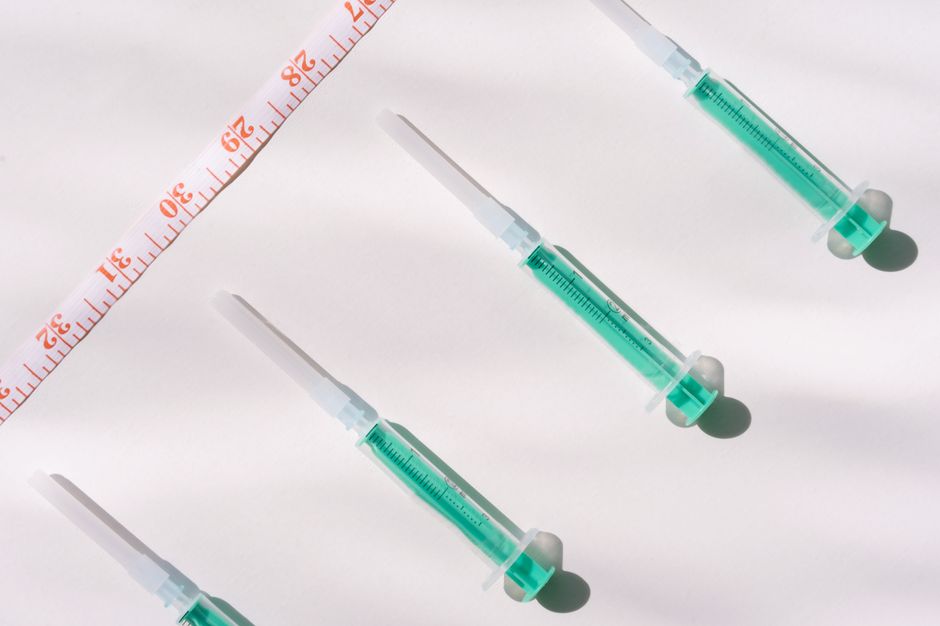
Prescription weight-loss injections can be appropriate when a clinician confirms the approved use, safety profile, and monitoring needs fit your health situation. They are not a replacement for food or exercise: FDA labels pair them with a reduced-calorie diet and increased physical activity. The practical goal is steady routines that protect muscle, manage side effects, and can continue if medication changes.
The shortcut story is tempting. The truth is more useful: the medication decision and the routine decision are the same decision. A prescription can affect appetite, but it cannot build strength, choose meals during a packed workweek, or create a maintenance plan after treatment changes.
What is the best shot to lose weight?
There is no single best weight-loss shot; the appropriate medicine is the one whose approved use, risks, and follow-up needs match the individual after a clinical assessment. Comparing dramatic results without comparing the labels is a poor shortcut.
Wegovy's FDA prescribing information from 2025 identifies semaglutide as a GLP-1 receptor agonist for long-term weight reduction alongside reduced calories and increased physical activity in qualifying adults and adolescents with obesity. It also covers qualifying adults with overweight and at least one weight-related condition.
Zepbound's FDA prescribing information from 2025 identifies tirzepatide as a dual GIP and GLP-1 receptor agonist for qualifying adults with obesity, or overweight plus a weight-related condition, with the same lifestyle foundation. Its label also includes treatment of moderate-to-severe obstructive sleep apnea in adults with obesity.
| Medication | Active ingredient | FDA-approved use described in the supplied label |
|---|---|---|
| Wegovy | Semaglutide | Long-term weight reduction with diet and physical activity for qualifying people with obesity or overweight. |
| Zepbound | Tirzepatide | Long-term weight reduction with diet and physical activity for qualifying adults; also moderate-to-severe obstructive sleep apnea in adults with obesity. |
| Mounjaro | Tirzepatide | Improving glycemic control in adults with type 2 diabetes, alongside diet and exercise. |
Trial averages are context, not a promise. In the 2022 SURMOUNT-1 trial, tirzepatide groups had average weight changes ranging from 15.0% to 20.9% at week 72, compared with 3.1% for placebo, while all groups received lifestyle intervention. That intervention included an energy deficit and a physical-activity target, which is the detail hype tends to leave out.
What is the difference between Ozempic, Wegovy, and Mounjaro?
The key difference is not the celebrity shorthand; it is the active ingredient and FDA-approved indication. Wegovy contains semaglutide and is labeled for chronic weight management, while Mounjaro contains tirzepatide and is labeled to improve blood-sugar control in adults with type 2 diabetes.
Ozempic is not covered by the supplied research dossier, so public information provided for this article does not establish its labeling or suitability. Do not assume that medicines discussed under the same social-media label are interchangeable. Mounjaro's FDA prescribing information from 2025 is clear that its indication is diabetes management with diet and exercise; Zepbound and Mounjaro share tirzepatide but do not share the same listed indication.
Safety deserves the same attention as expected benefit. The FDA labels from 2025 list personal or family history of medullary thyroid carcinoma and multiple endocrine neoplasia syndrome type 2 as contraindications for Wegovy, Zepbound, and Mounjaro. They also identify important warnings that include pancreatitis, gallbladder disease, severe gastrointestinal reactions, kidney injury related to volume depletion, and low blood sugar risk with certain diabetes medicines. Nausea, vomiting, diarrhea, constipation, and abdominal pain are among commonly reported adverse reactions in the labels.
Bring a full medication list, relevant personal and family history, pregnancy plans, and current symptoms to the prescribing appointment. That is not administrative clutter. It is the information that changes the safety conversation.
Can I exercise while taking a weight-loss injection?
Yes, exercise is part of the labeled treatment approach, but intensity and food intake need to match tolerance and clinical guidance. The FDA labels for Wegovy and Zepbound from 2025 explicitly pair treatment with increased physical activity; exercise is not an optional punishment attached to the prescription.
The muscle question is real. In the 2021 STEP 1 body-composition substudy, semaglutide participants reduced total fat mass by 19.3% and visceral fat mass by 27.4%, but total lean body mass also decreased by 9.7%. The study also found an improved lean-mass-to-fat-mass ratio. Both facts matter: do not frame every pound lost as identical tissue, and do not use that result as a reason to avoid weight loss altogether.
Here is the practical framework to discuss with a qualified clinician and, where appropriate, a dietitian or exercise professional:
- Keep resistance work on the calendar. Use movements and loads that are appropriate for current ability, then adjust when nausea, fatigue, dizziness, or reduced intake make a usual session unrealistic.
- Make eating tolerable before making it perfect. Persistent vomiting, diarrhea, or difficulty keeping fluids down is not a toughness test; the FDA labels from 2025 flag volume depletion and severe gastrointestinal reactions as issues that require medical attention.
- Track function, not only the scale. Note whether everyday strength, training performance, energy, and recovery are changing. The scale supplies one signal; it does not give the whole report.
Recovery is part of adherence, especially when work and training compete for the same hours. A scheduled reset can protect a routine better than an all-or-nothing plan; the site’s guide to planning a restorative 48-hour getaway near home offers a useful reminder that rest needs structure too.
The maintenance plan starts before the first result. In the 2022 STEP 1 extension, participants regained 11.6 percentage points of body weight on average during the year after semaglutide and lifestyle support stopped, recovering about two-thirds of prior loss. That does not mean treatment failed. It means long-term obesity care needs a long-term conversation about food patterns, activity, follow-up, and what happens if medication is changed or discontinued.
Frequently Asked Questions
Do weight-loss shots cause muscle loss?
Weight loss on these medicines can include lean-tissue loss, not only fat loss. In the 2021 STEP 1 body-composition substudy, total lean body mass decreased by 9.7% among semaglutide participants, although lean mass made up a larger share of total body weight and the lean-mass-to-fat-mass ratio improved. That is why the exercise discussion belongs in the prescribing conversation, not in the footnotes.
How can I keep weight off after stopping GLP-1 medication?
The evidence says maintenance needs a plan before medication is stopped, because stopping does not erase the underlying work. In the 2022 STEP 1 extension, participants regained about two-thirds of prior weight loss one year after semaglutide and lifestyle intervention were withdrawn. A clinician can help map ongoing nutrition, activity, follow-up, and medication decisions rather than treating the last injection as a finish line.
Who should not take weight-loss injections?
FDA labeling for Wegovy and Zepbound lists a personal or family history of medullary thyroid carcinoma or multiple endocrine neoplasia syndrome type 2 as contraindications. Zepbound is also contraindicated for known serious hypersensitivity to tirzepatide or its ingredients. Pregnancy planning, diabetes medicines, severe gastrointestinal symptoms, and relevant medical history also require clinician review because the labels carry additional warnings.
Sources
- U.S. Food and Drug Administration: Wegovy Prescribing Information
- U.S. Food and Drug Administration: Zepbound Prescribing Information
- U.S. Food and Drug Administration: Mounjaro Prescribing Information
- New England Journal of Medicine: Tirzepatide Once Weekly for the Treatment of Obesity
- Diabetes, Obesity and Metabolism: STEP 1 Trial Extension
- Journal of the Endocrine Society: Impact of Semaglutide on Body Composition in STEP 1
Disclaimer: This article is for general information only and is not medical advice. It is not a substitute for diagnosis or treatment by a qualified healthcare professional. Always speak to your doctor before acting on anything you read here.
Keep reading

How Can I Preserve Muscle While Losing Weight on a GLP-1?
A practical guide to strength training, protein, fueling, and symptom-aware exercise during GLP-1 weight loss.

Can I Lose 10 kg in 7 Days?
An evidence-based look at why 10 kg in a week is not realistic fat loss and how to begin a safer seven-day reset.